Shared Spaces Contest Winners
We’re excited to celebrate the amazing people making a difference for birds and communities through our Shared Spaces contest! These submissions showcase the dedication and creativity of individuals working to create bird-friendly spaces across the Americas.
Photo Contest Winners: Dark Skies
Fernanda Damayanti López Torres from León, Guanajuato, México
Joel Weatherly from Edmonton, Alberta, Canada
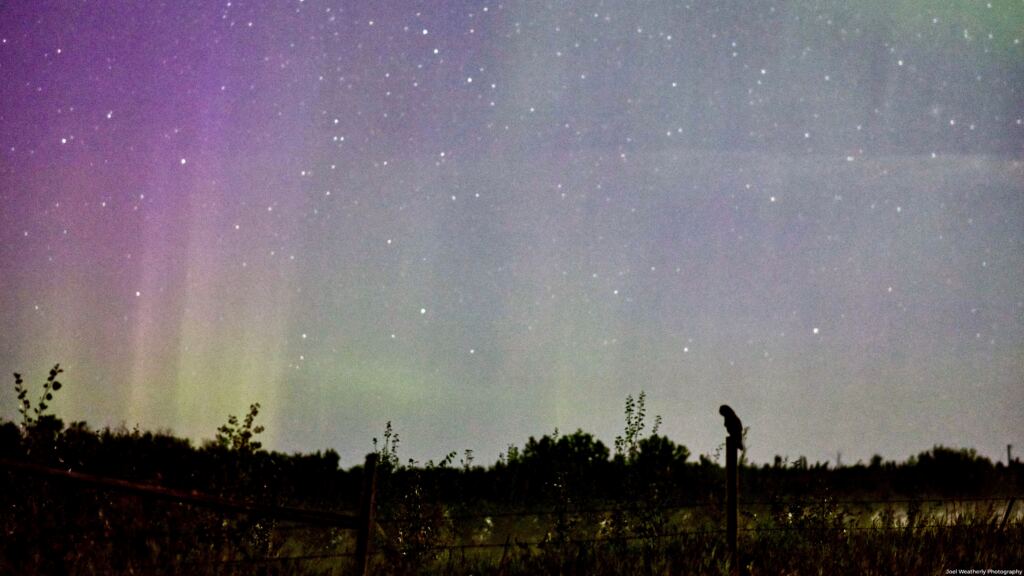
This photo shows a Great Grey Owl silhouetted by the aurora borealis during a moderate geomagnetic storm. It was taken in the Beaver Hills Dark-Sky Preserve, which offers excellent views of the night sky for humans and migrating birds.
Photo Contest Winners: Plastic Pollution
Eduardo Roldán Reyes from Orizaba/Veracruz/Mexico
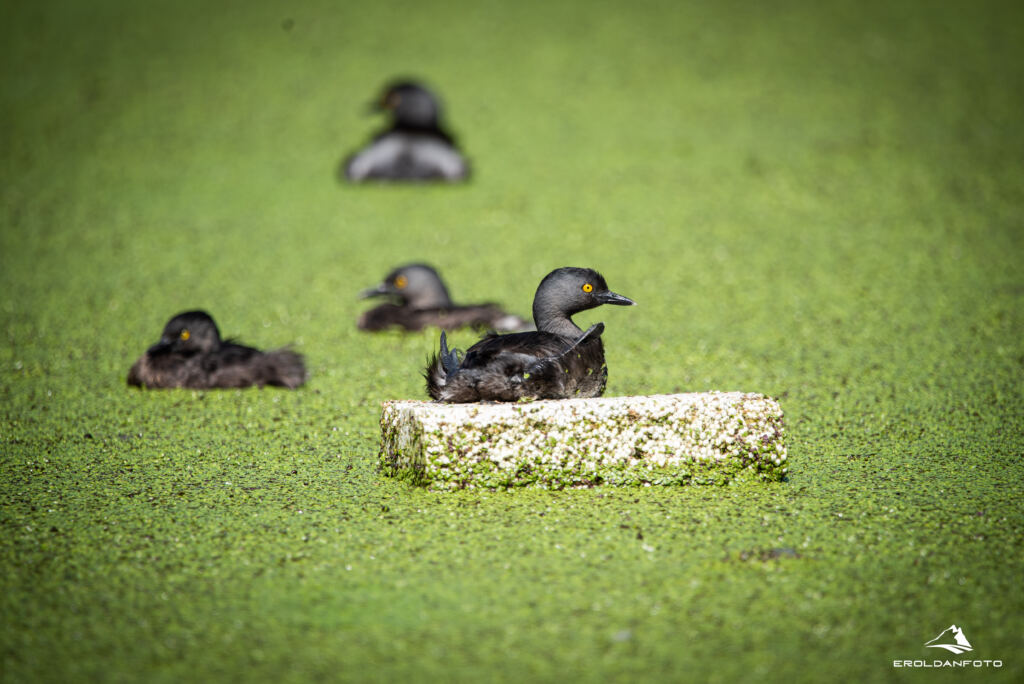
On a block of Styrofoam floating in a pond covered with duckweed, a little grebe—accompanied by others of its kind—tries to rest in an artificial shelter that shows how humans have taken over. Although the image seems peaceful, the plastic breaks the natural harmony and reveals a harsh reality: even protected birds, such as this wild jewel of our waters, can no longer find rest far from the footprint of our trash. The photograph was taken at Laguna del Chirimoyo, in Orizaba, Veracruz, a wetland struggling to maintain its balance, now transformed into a regulating reservoir, reflecting how human intervention profoundly alters ecosystems.
Dr Jennifer Lavers from Tasmania/Australia
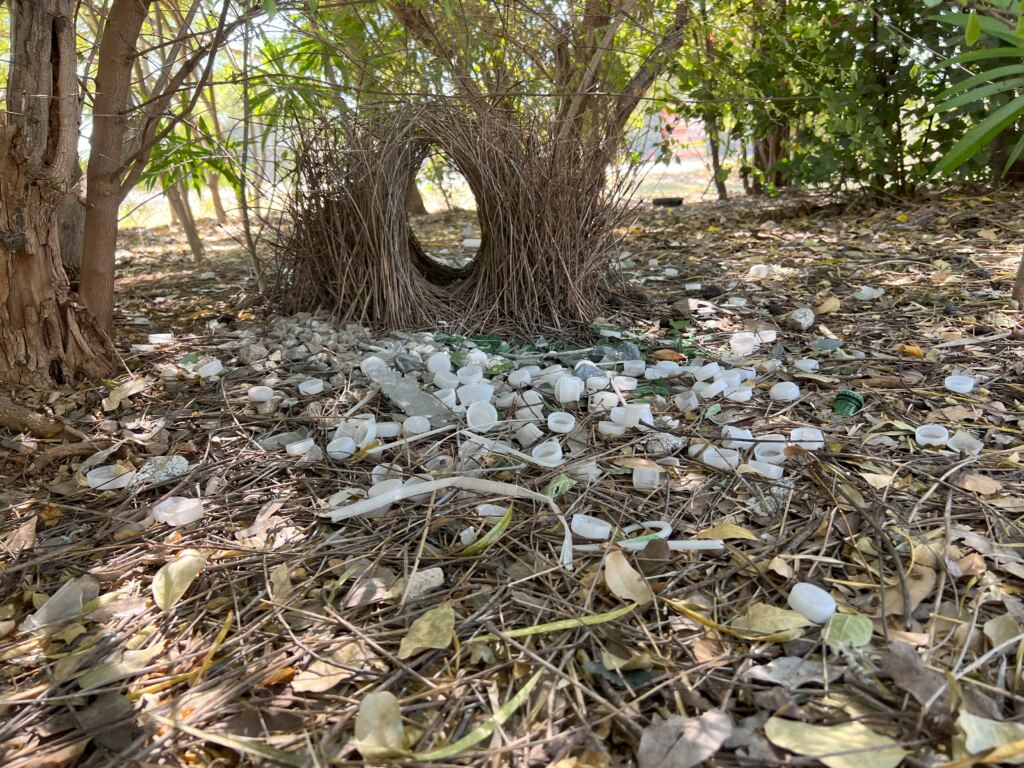
In northern Australia, 100% of Great Bowerbirds’ bowers contain substantial plastic pollution – often >250 pieces in a single bower. The male bowerbirds collect and use plastic items as colourful bower decorations as this can help them attract a mate. Unfortunately, this can often include ribbon and other plastic items that can entangle birds.
Photo Contest Winners: Native Plants and Gardens
Daniela Michelle Valdez Gámez
Zinnia Gutowski
Photo Contest Winners: Keep Cats Away
Bruna Paino – Sao Paul, Brazil
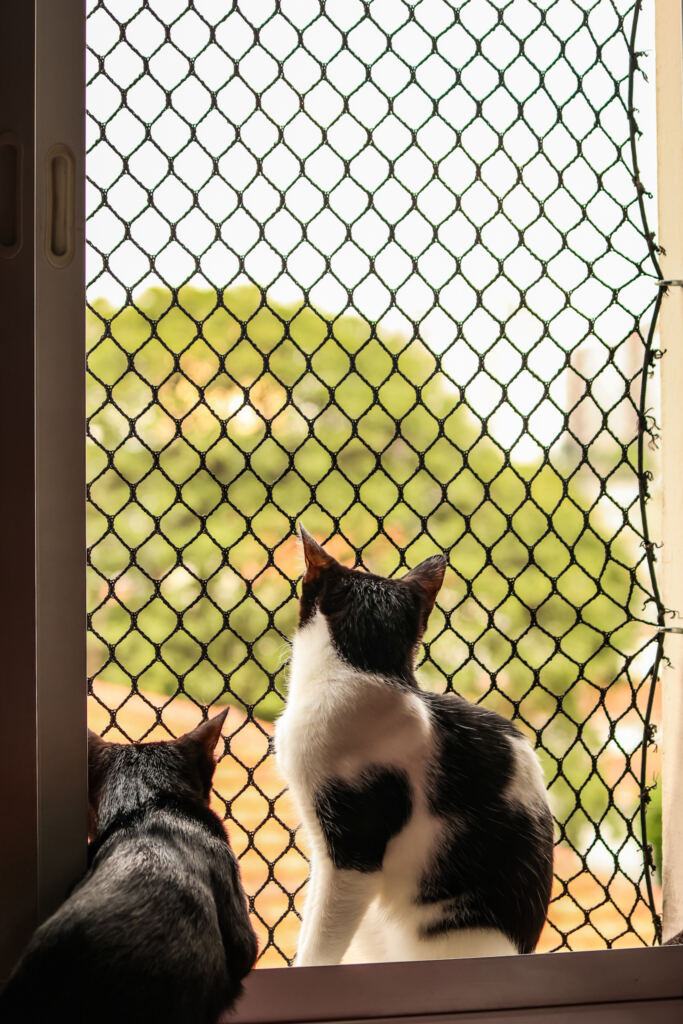
In the middle of the city of São Paulo. “I always see parrots, parakeets and tanagers in the trees near my window. The birds’ song attracts the attention of my cats, who are clearly interested”
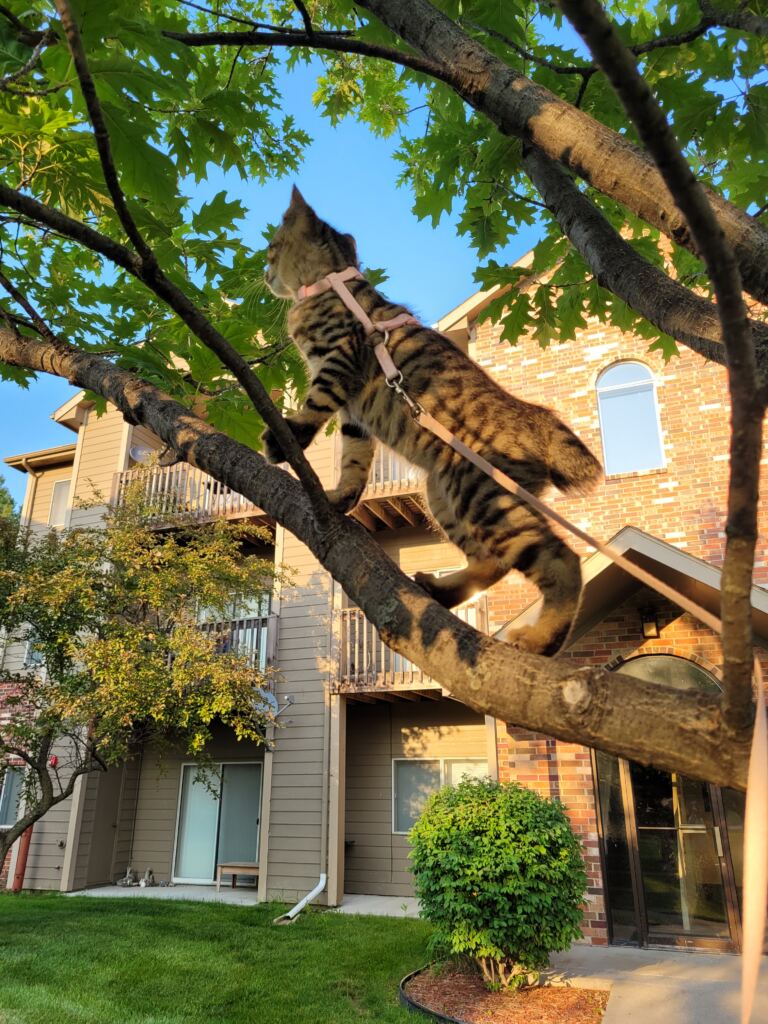
Kari Sandage – Sioux City, Iowa, USA
My cat Freya safely enjoying the outdoors
Collisions Essay Contest Winners
🏅 Chelina Batista Panamá City, Panamá
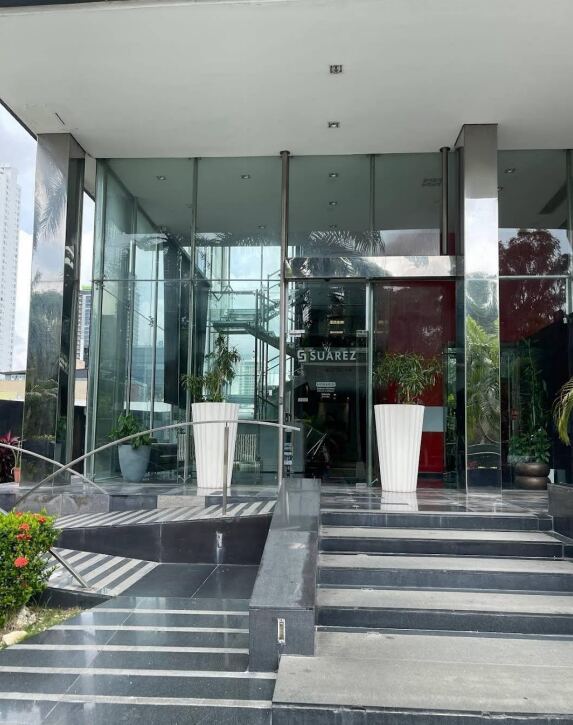
ENFRENTANDO LOS GIGANTES VENTANALES DE CIUDAD DE PANAMÁ:
BUSCANDO SOLUCIONES PARA LAS COLISIONES DE AVES
Durante nuestras caminatas buscando aves que colisionan con ventanas en Ciudad de Panamá, hemos tenido la oportunidad de conocer a muchas personas y de entender mejor el problema que enfrentan nuestras aves. Para nosotros, documentar estas colisiones es una prioridad, ya que nos permite llamar la atención de la comunidad y de las autoridades. Sabemos que el problema existe, pero aún no conocemos en qué magnitud (cuánto), en qué momentos (cuándo) ni en qué lugares (dónde) es más frecuente.
Recoger este tipo de información es un reto, sin embargo, nos llena de entusiasmo ver que hay muchas personas interesadas en colaborar de cualquier manera. Al día siguiente de nuestra primera visita, recibimos el reporte de un Swainson’s Thrush que impactó los ventanales del lobby de un edificio de una constructora en Costa del Este. Y este fue el inicio de cómo la comunidad empezó a reportar avistamientos de colisiones, lo cual es un gran paso hacia la solución.
Aun hay mucho que aprender, pero es el comienzo para enfrentar y reducir este importante problema por las aves.
Chelina Batista
16 de abril 2025. Ciudad de Panamá
🏅 Renee Yong Chi Salt Lake City, Utah – BLM Kanab Field Office
Preventing Bird Collisions Essay
The Utah Bureau of Land Management (BLM) Kanab Field Office is located in Kanab, a unique, small town in southern Utah. Despite having a population of less than 10,000, Kanab is the largest town in Kane County and is located at an important tourism junction linking Lake Powell, the Grand Canyon, and Zion National Park. Nearly 4 million annual visitors come through this town, all appreciating the natural beauty of these landscapes and the wildlife found within them. Further, the town is located
adjacent to Kanab Creek, the largest creek and riparian area in the area that runs south and drains into the Colorado River. The BLM Kanab Field Office manages vast acreages of southern Utah’s wild areas known for their remote high desert landscapes, stunning red rock sandstone cliffs, deep canyons, and plateaus.
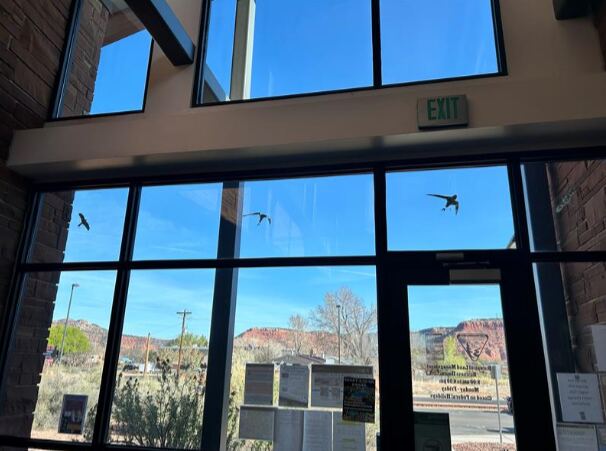
The Kanab Field Office is a high-ceiling 2-3 story office building with many large windows (750 square feet of windows) to view the surrounding landscapes. Due to the proximity to the Kanab Creek (running north-south), many birds pass through the area and over the years, we have observed numerous bird collisions with our large windows. We have tried various stickers (see image) to help decrease bird collisions with the glass but continue to see bird collisions. We have observed 20+ bird collisions in the past 13 years and suspect that many more unknown collisions have occurred.
Due to the substantial visitor traffic through the BLM Kanab Field Office, marking our windows lends itself to tremendous teaching opportunities to individuals who are already substantially interested in the natural world. Further, the Wildlife Biologist, regularly hosts number education and outreach events (including world migratory bird day events for local communities). Due to decreasing budgets we have not been able to purchase additional window markers to adequately prevent bird collisions. If we could mark our windows, we would have substantial visibility for millions of visitors and, most
importantly, be preventing future bird collisions.
Our office would also be very interested in the Feather Friendly educational kit to teach others about how to prevent bird collisions.
🏅 Beatrice Tucker Philadelphia, Pennsylvania
My Bird Friendly Essay
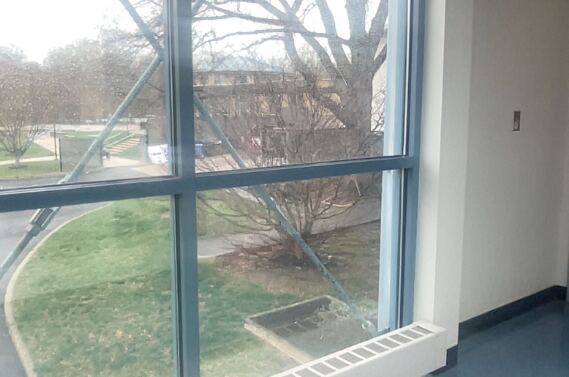
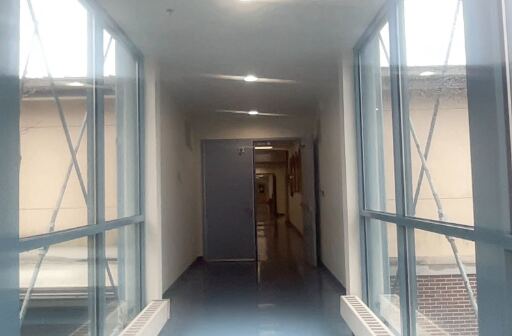
Hi, my name is Beatrice Tucker, and I go to SCH, also known as Springside Chestnut Hill Academy. In my essay, I will talk about how windows are dangerous for birds and how having bird decals will reduce bird collisions at our school. We have been trying to do this since the fall, and I am proud to share that our school has raised $181 from the tote bag I made to raise money for Bird Safe Schools (see photos attached).
As we know, birds crash into windows because they think glass or even buildings are a safe area they can fly through. Glass windows reflect the spaces around them causing birds to think there is nothing there, and they are just flying through the city or the forest. Sadly, a lot of buildings are built in grassy areas, and one of those areas is our school. Although our school is next to the Wissahickon where birds can roam, the reality of this is birds fly around and often collide with these “see through areas” on our campus.
Now, let me tell you why we would need bird decals on our current windows. Our school has big glass windows with a bright reflective screen, which is not good from the bird’s perspective (see the photos on the next page). But, instead of just replacing windows, we can add bird decals, which have 4 great qualities: stopping birds from accidentally hurting themselves, not redoing our windows and adding to construction waste, giving everybody in our school an idea of how much we care about this, and they look nice on the windows!
Our lower school has installed bird decals successfully in their cafeteria and we would like to do this in our middle school as well. I do think that with these bird decals we can make this school as safe for birds as we can.
Shade Coffee Photography Contest Winners
🏅 Shayna Vendela Grantsburg, Wisconsin, USA
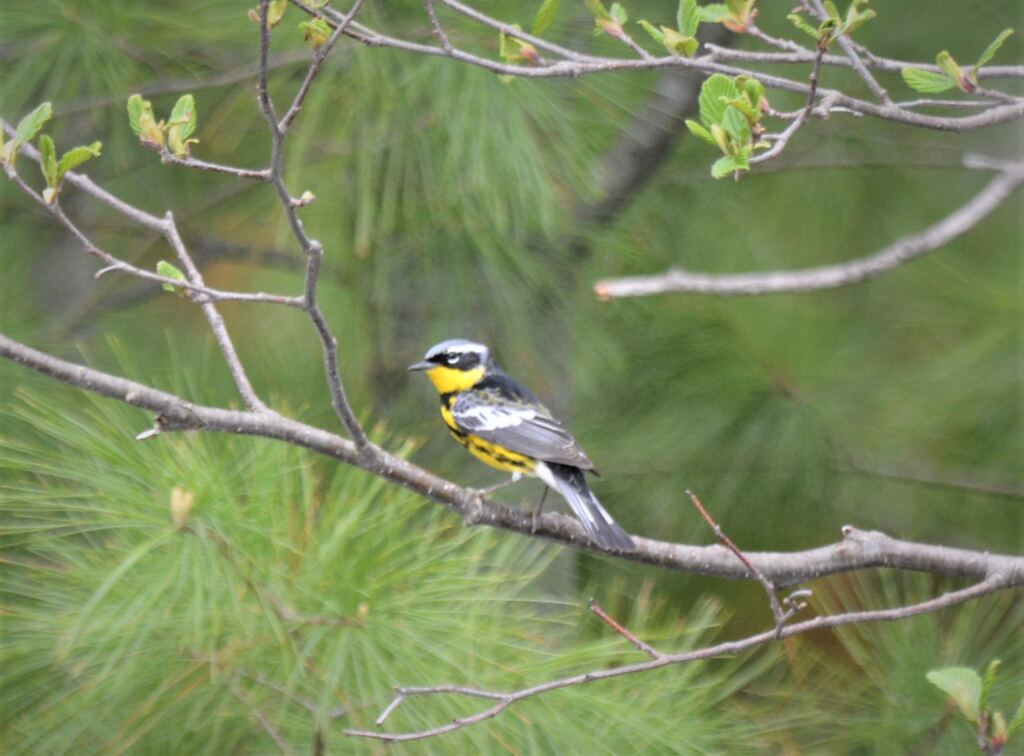
Shayna snapped an incredible shot of a magnolia warbler, a migratory bird that spends its winters relying on shade-grown coffee farms in Latin America. She caught this moment at Crex Meadows Wildlife Area, a certified “Bird City.” It’s a beautiful reminder of the amazing journeys migratory birds take and how important habitats like bird-friendly coffee farms are for their survival.
🏅 Jua Loera Casillas Autlán de Navarro, Jalisco, México
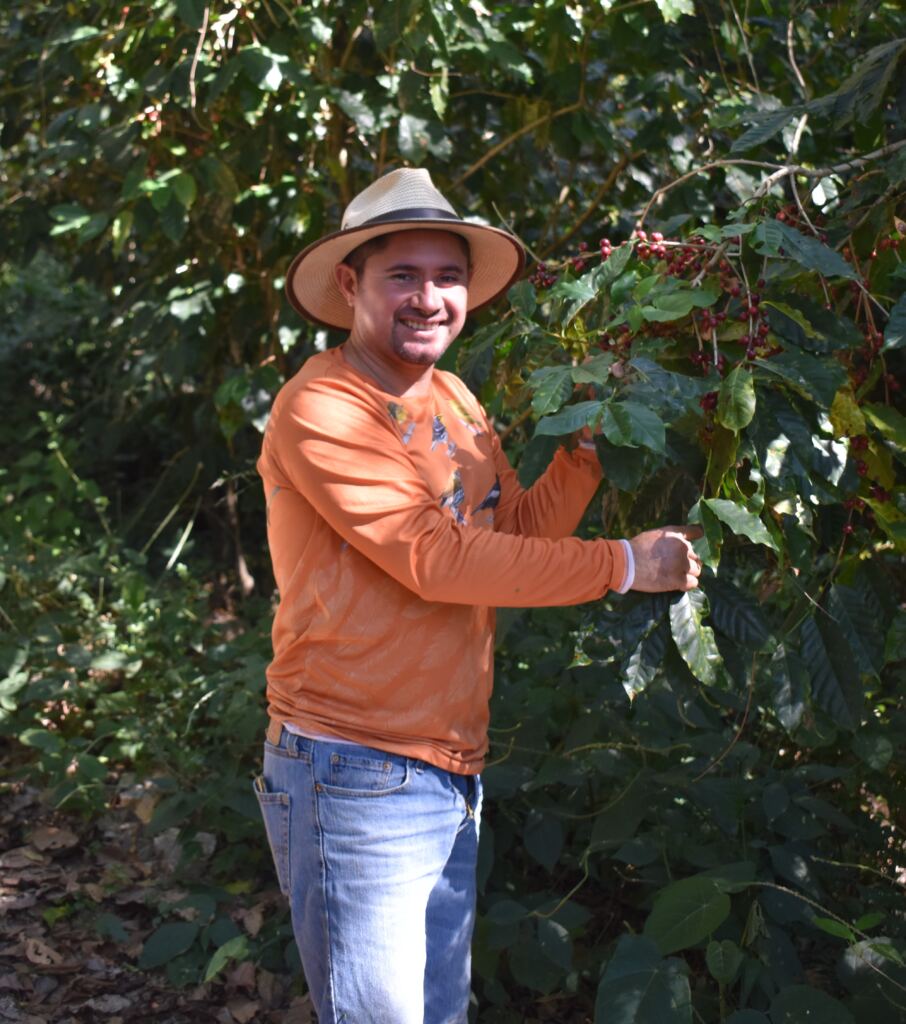
Jua is a PhD student studying birds in coffee agroforests and tropical forests. So far, they’ve documented an impressive 106 bird species, including 24 migratory birds and six types of hummingbirds, all within shade-grown coffee systems. Their research highlights just how important sustainable coffee farming is for supporting biodiversity.